
Stay Hungry and Grow Your Business | with Caleb Ingram of Iron-Vac Trucks
In the world of entrepreneurship, “hunger” isn’t just a physical sensation—it’s an operational strategy. It is the fuel that drives you to pick up the phone when cold calling feels uncomfortable, to knock on doors when no one knows your name, and to innovate when your initial plans fall flat.
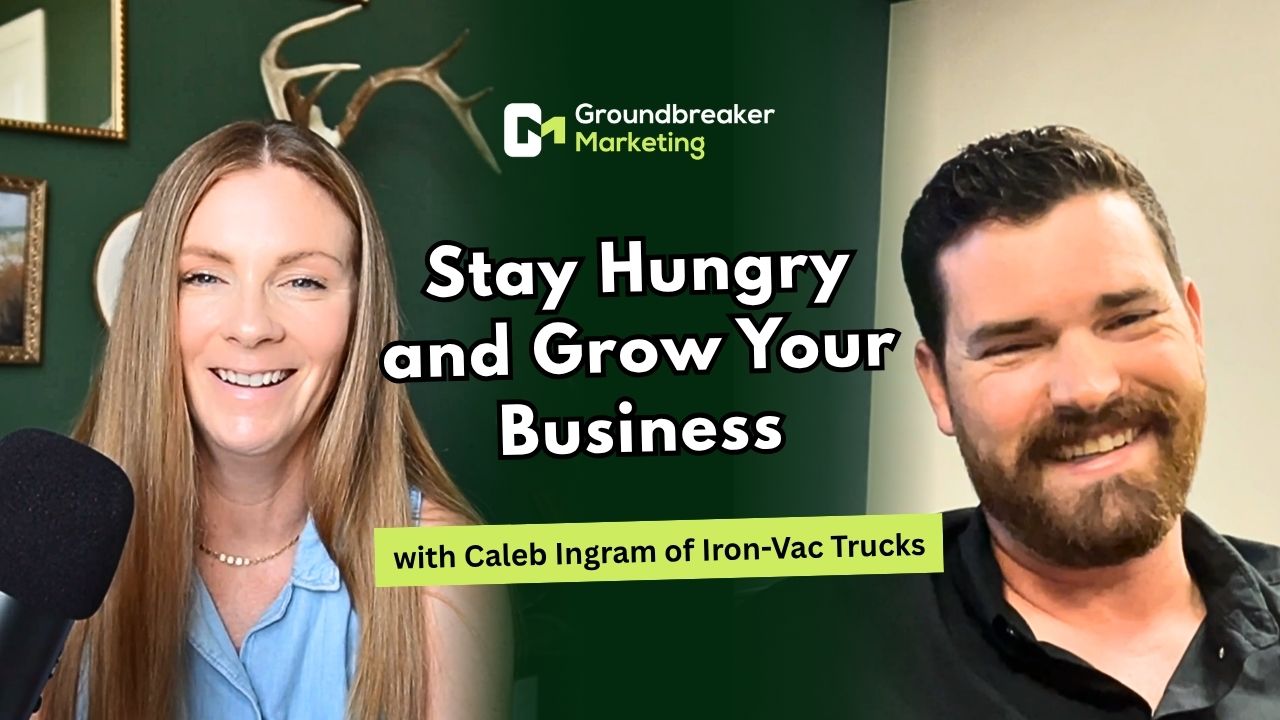
On a recent episode of The No. 2 Septic Podcast, host Ashley Christian sat down with Caleb Ingram, owner of Iron-Vac Truck, to discuss what it truly takes to build a thriving business in the liquid waste industry. Caleb’s story from buying a single, beat-up vacuum truck on Craigslist to building a global manufacturing facility in central Arkansas is a masterclass in resilience, customer-centric marketing, and the ultimate business growth strategy: staying hungry.
1. The Power of the “Starving Mindset”
When Caleb first entered the septic industry in Southeast Texas, he didn’t have years of industry experience or a massive pile of capital. What he had was a pregnant wife, a house he could barely afford, and a job in healthcare administration that was draining his spirit.
Desperate for a change, he bought a used septic truck on Craigslist and started knocking on doors, offering to pump septic tanks at a reduced rate just to get his foot in the door.
“I left my house at seven o’clock in the morning with a pregnant wife, and I told myself I wasn’t coming home until I pumped a septic tank. Because if we don’t pump a septic tank, we don’t get paid, and the odds of us eating and making our bills are very slim.”
That raw, starving mindset forced him to innovate. Recognizing that established competitors were ignoring search engine optimization (SEO), Caleb mastered local search strategies. Within three months, he dominated the digital market in North Houston. Within fifteen months, his hustle transformed a single Craigslist truck into a five-truck fleet running up to 160 jobs a month.
When you are hungry, you don’t wait for business to come to you; you go out and create it.
2. When Growth Stalls: Pivoting After Failure
One of the most dangerous assumptions business owners make is assuming that what worked in one market will automatically work in another.
After selling his successful Texas business to move his family back to Arkansas, Caleb launched a new septic pumping venture expecting identical results. Instead, he hit a wall. Rural Arkansas offered a far smaller population, stiff local competition, and vastly different market dynamics. He was going broke, fast.
Rather than trying to force a failing model, Caleb paid attention to what the market was telling him. When trying to liquidate his assets, he noticed that potential buyers were far more interested in his custom-outfitted truck than in buying his pumping route.
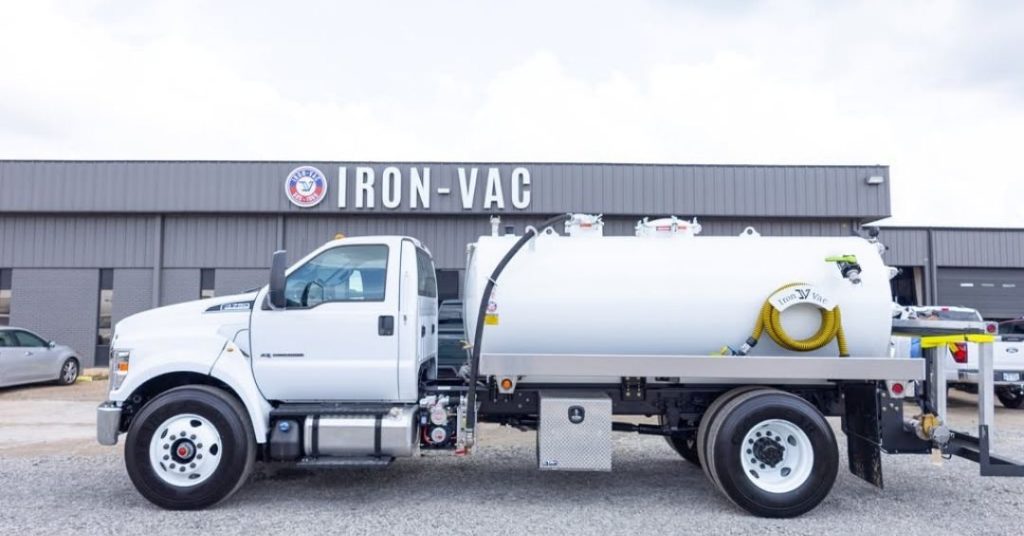
Recognizing an underserved niche, Caleb partnered with a local tank builder, learned the intricate science of tank pressures, flow rates, and steel welding, and pivoted into manufacturing. Today, Iron-Vac Truck Sales manufactures and ships roughly 200 custom vacuum trucks a year to all 50 states, Hawaii, the Caribbean, and beyond.
3. Relational Marketing in a High-Tech World
While digital tools and AI are vital to modern business growth, Caleb credits old-school, relational marketing for building his foundational referral networks.
When Caleb was building his pumping routes, he targeted local septic installers and plumbers who didn’t offer pumping services. But instead of trying to sell the business owners, he focused on building genuine relationships with the administrative assistants and office staff answering the phones.
- Delivering Fresh Coffee: Sending coffee, creamers, and cups to local offices on busy mornings.
- Thoughtful Gifts: Sending flowers or Edible Arrangements with simple thank-you notes.
- Persistent Check-ins: Stopping by regularly just to say hello and drop off cards.
When homeowners called those installation companies asking for pumping recommendations, the secretaries didn’t hand out cards from generic companies—they recommended “that nice guy who brought coffee last week.” High-tech tools get you noticed, but high-touch relationships get you remembered.
4. The Hardest Jump: Scaling from 5 to 50 Employees
Growing a business requires evolving from a hands-on operator into a leader who manages people and expectations. Caleb notes that the most challenging phase of growth wasn’t starting out—it was jumping from five employees to twelve.
“Going from five to twelve guys was the hardest jump because you’re putting stock in what might be as opposed to what is right now. But that leap allowed us to jump from producing 30 trucks a year to 86 the following year.”
Scaling requires letting go of control, which inherently comes with risk. Caleb shares candidly about the pain of employee betrayal—including instances of theft, dishonesty, and even former team members attempting to launch competing businesses using his resources.
His strategy for moving past the heartburn of management?
- Focus on Character Over Resumes: Hire hungry, trustworthy people with a solid work ethic. Skills can be taught; integrity cannot.
- Promote from Within: Iron-Vac’s current CFO started as a fresh college hire, and a former production manager began his career pushing a broom for $9 an hour.
- Don’t Take It Personally: Understand that people bring their own brokenness into the workplace. Do your part, treat people with grace, and keep moving forward.
5. What 90% of Business Stress Is Really About
Uncertainty is an inescapable part of owning a business. Trucks break down, key employees leave, and supply chains fracture. During moments of extreme crisis—like losing a top salesperson who brought in eight figures annually—it is easy to feel like the business is collapsing.
Caleb shares a piece of wisdom passed down from his grandfather that serves as an anchor through the daily storms of entrepreneurship:
“Ninety percent of what you worry about never happens. And the ten percent that does happen won’t kill you.”
When you stay grounded in that perspective, setbacks lose their power to paralyze you. The salesperson leaves, but the company recovers and doubles in size. A truck catches on fire, but the client sympathizes, and you rebuild.
Keep the Fire Burning
Staying hungry isn’t just about surviving the early, desperate days of your business; it’s about maintaining that same curiosity, drive, and commitment to service even as you scale. Whether you’re operating a single pumper truck or managing a fleet of fifty, your growth will always be capped by your willingness to adapt, serve others, and keep pushing through discomfort.
Ready to Scale Your Septic Business?
At Groundbreaker Marketing, we specialize in helping septic and liquid waste operators dominate their local markets, generate high-quality calls, and build scalable revenue engines.
FAQs
Who is Caleb Ingram and what is Iron-Vac Truck Sales?
Caleb Ingram is the founder and CEO of Iron-Vac Truck Sales, an industry-leading manufacturer of custom steel liquid waste and vacuum trucks based in Searcy, Arkansas. What started as a single Craigslist pumper truck operation has grown into a global manufacturing company shipping over 200 custom units annually.
What key topics are covered in this podcast episode?
In this episode, Caleb shares his entrepreneurial journey—including starting out in Texas, failing during an expansion in Arkansas, pivoting to truck manufacturing, scaling a team from 5 to 50 employees, and building long-lasting customer and referral relationships.
How did Caleb transition from pumping septic tanks to manufacturing vacuum trucks?
After moving to Arkansas, Caleb’s pumping business struggled due to local market competition and lower population density. While trying to sell off his equipment, he realized buyers were far more interested in his custom-outfitted truck than his pumping routes. He partnered with a local builder, learned tank engineering, and built a full-scale manufacturing operation.
What marketing strategies helped Caleb scale his first pumping business?
In 2013, Caleb dominated local SEO in the Houston area before competitors caught on, bringing in early organic leads. He also relied heavily on old-school, relational marketing—delivering coffee, flowers, and Edible Arrangements to office managers at local plumbing and installation companies who could refer pumping jobs his way.
What advice does Caleb give about managing and scaling a team?
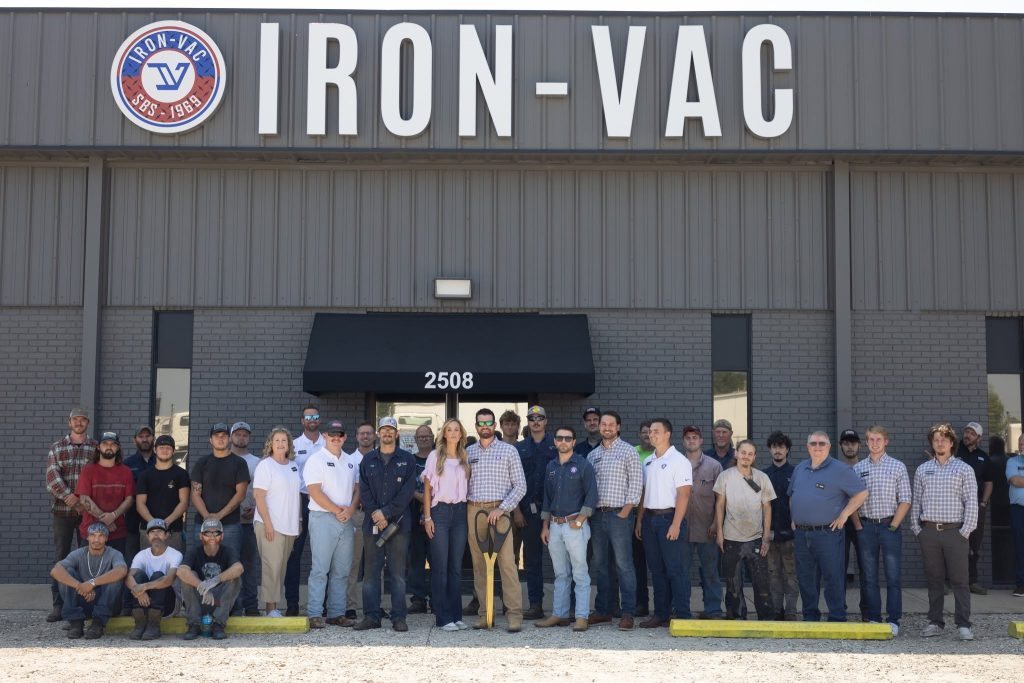
Caleb emphasizes hiring for trustworthy character, hunger, and work ethic rather than relying solely on resumes. He notes that scaling from 5 to 12 employees was his hardest operational hurdle, but relinquishing control and investing in people allowed Iron-Vac to grow to over 50 team members.
Where can I learn more about Iron-Vac Truck Sales or purchase a vacuum truck?
You can view their new and used truck inventory, request custom builds, or learn more about their services by visitingseptictrucks.com.
How can Groundbreaker Marketing help my septic business grow?
Groundbreaker Marketing helps septic and liquid waste operators dominate their local markets through targeted digital strategies, lead generation, and scalable growth solutions. Visitgroundbreakermarketing.com to see how we can help you scale.
Last updated:
Want your phone ringing like the operators in these interviews?
We run Local Service Ads, Google Ads, Google Business Profile and websites for septic and home-service contractors — with every lead tracked.