
How to Turn Septic Business Failures into Growth | Interview with Jason Lambert
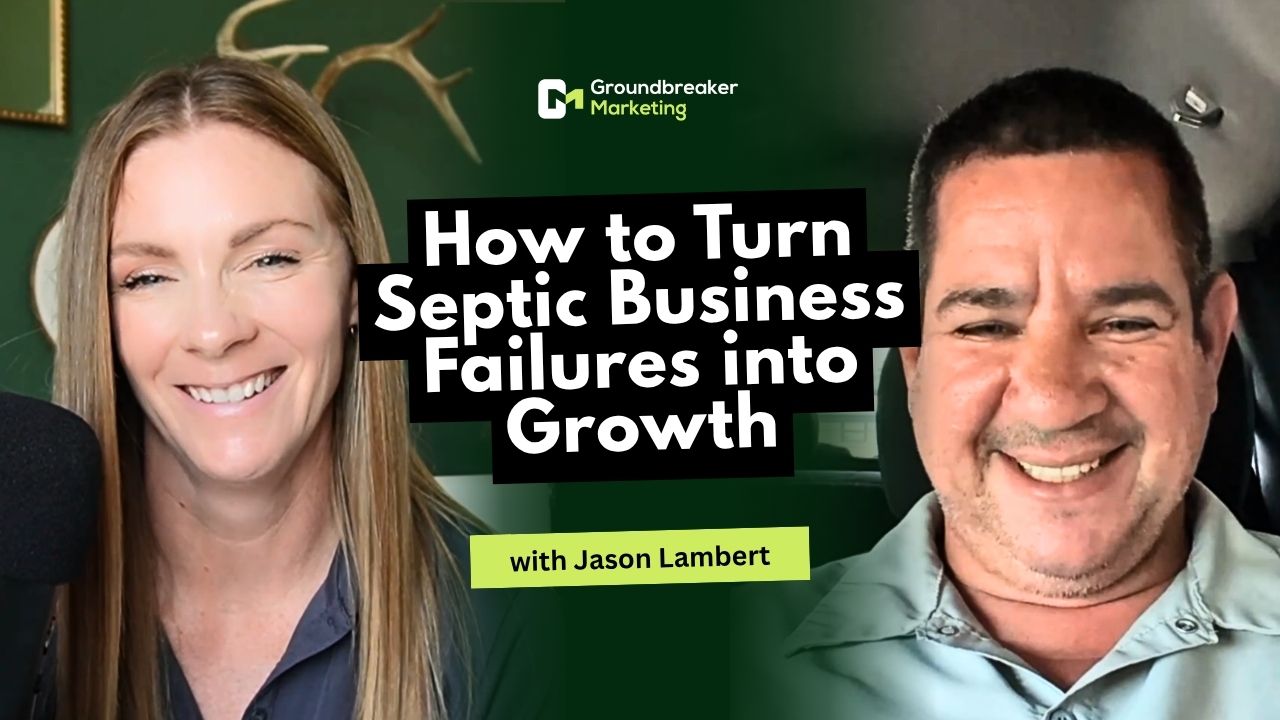
How Jason Lambert Built a Thriving Septic Business Through Innovation and Resilience
Are you curious about what it takes to grow a septic service company in Louisiana? Whether you’re just starting out or looking to expand, understanding the mindset and strategies of experienced entrepreneurs can provide valuable lessons. In this post, Jason Lambert of St. Amant Septic Tank Services shares his journey—from humble beginnings and setbacks to innovative growth strategies and lessons learned along the way. By the end of this article, you’ll learn how to leverage diversification, strategic mergers, customer relationships, and embrace new technology to build a resilient and profitable septic business. Plus, discover practical tips on hiring, pricing, and handling challenges that every business owner faces.
Overcoming Challenges and Embracing Growth in the Septic Industry
Jason’s journey in septic and sewer service is a story of persistence and adaptability. Starting around 2004, he began with septic tank installations, gradually expanding into maintenance, drainage, and underground utilities. His strategic decisions—like merging companies and diversifying services—have been key to his success.
One important insight? Jason emphasizes the significance of treating your business as a “tree,” with multiple branches for growth. This means continually looking for new avenues to expand your offerings. For example, initially focused on septic tank installs, he later added services such as drain field work, pump-outs, and general plumbing. This diversification has helped his business stay resilient and meet various customer needs with a single point of contact, reducing the hassle for clients and increasing revenue opportunities.
The Power of Strategic Mergers and Acquisitions
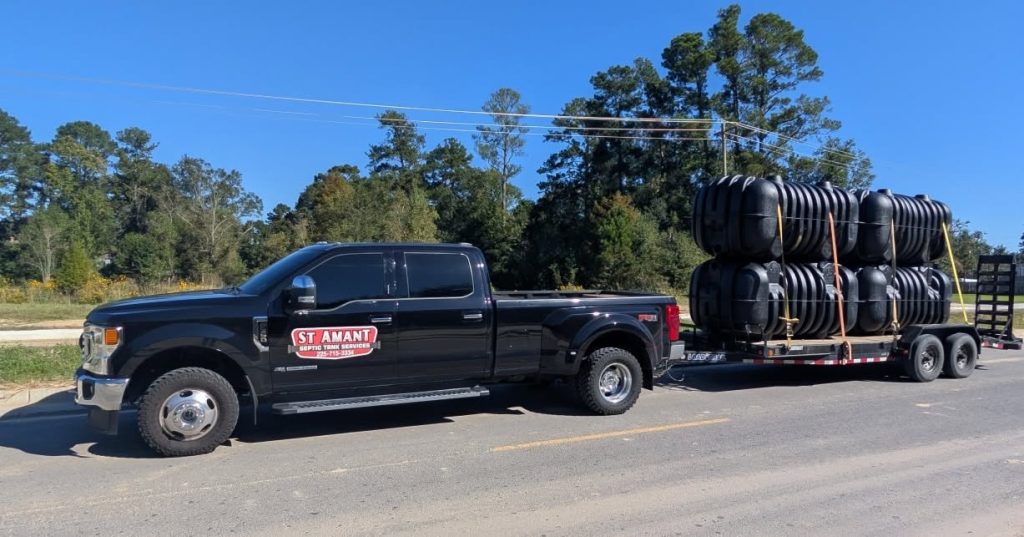
Jason shares how merging St. Amant Septic Tank Services with a pump truck company allowed him to transform a simple service into a full-scale sewer operation. This approach—buying or merging with compatible businesses—can accelerate growth and expand your customer base. His advice? “Don’t pass up opportunities; they often bring more calls and work without complicating your operations.” He also highlights the importance of purchasing and maintaining control over business assets like phone numbers and online profiles. “When I bought St. Amant Septic, I also acquired the company’s number—over 30 years old—, and that recognition continues to serve us well,” he explains. Protecting your digital presence and assets is crucial when merging or buying a business.
Leveraging Technology and Creative Advertising
One of Jason’s standout strategies is early adoption of AI-driven advertising. Recognizing that traditional marketing might not be enough, he experimented with character-based billboards and digital campaigns years before they became mainstream. This foresight helped his business stand out locally.
He shares, “I got into AI advertising around three or four years ago, before it was big. I used a character mascot for billboards, which drew a lot of attention. Now, I’m looking for the next big thing in digital marketing.” Staying ahead in marketing trends helps him attract new customers and differentiate his brand in a competitive industry.
Being a First Mover: The Value of Taking Risks. Jason exemplifies a no-fear approach to innovation. “You gotta jump off the porch and see if your parachute opens,” he says. His willingness to take calculated risks—like purchasing smaller companies or exploring new markets—has paid off, often leading to more calls and a broader reputation.
He recommends that entrepreneurs be quick learners and early adopters, even if they feel unsure. “You don’t have to know everything; just start, and learn as you go.”
Building a Robust Team: The Heart of Business Growth
Growing a business is not just about services and marketing; it’s also about the people behind the scenes. Jason emphasizes the importance of hiring good people and creating a positive team environment. His son plays a key role, managing daily operations, customer interactions, and installations—what he calls “the next generation of the business.”He states, “I train my guys everything I know. My goal is to develop young professionals. When they learn and grow, it reduces my workload and builds business continuity.” He also highlights the importance of team bonding, whether through activities like golf or shared meals, to foster camaraderie and teamwork.
Hiring Young, Energetic Workers
Jason finds that young, driven workers don’t come with preconceived notions—they’re eager and energetic. He mentions, “The young crowd is the best; they just want to learn and do. I also use local contacts and friends for hiring, which adds trustworthy, motivated team members.”He acknowledges challenges, like integrating new workers and managing their expectations, but believes that taking the time to train and motivate staff creates a loyal, effective team.
Customer Relationships and Reputation Management

Providing honest, transparent service is central to Jason’s approach. He exemplifies integrity by sticking to quoted prices and absorbing unforeseen costs himself. “When we give a quote, we don’t change it unless something major comes up,” he explains. This honesty helps build trust with clients, leading to positive reviews and referrals.
He admits that customer nitpicking can be a challenge, but prefers to resolve issues quickly. “Make it right, and they’ll remember you for it,” he advises. Despite receiving few online reviews, Jason actively encourages satisfied customers to leave feedback, understanding that benchmarks like Google reviews influence reputation and growth.
Tip: Incorporate honest communication about pricing and service expectations during initial interactions to foster good relationships and recurring business.
Learning from Failures and the Importance of Persistence
Jason candidly shares that his initial business efforts around 2004 suffered during the 2008 recession. However, he used that setback as a learning opportunity, working in the plants to understand pricing and management. “Failing taught me a lot,” he states. “You have to fail to grow. It’s the best teacher.”He emphasizes the value of resilience, saying, “You gotta get back up, keep learning, and keep pushing forward.” His persistence has turned setbacks into stepping stones for his current success.
Final Thoughts and Practical Advice from Jason Lambert
- Diversify services—think of your business as a tree with many branches. Expand into related areas like drainage, plumbing, or maintenance to boost revenue.
- Don’t hesitate to merge or buy smaller companies—these can bring more calls and a stronger market presence.
- Prioritize online reputation and digital marketing—be innovative and early in adopting new advertising platforms.
- Build a reliable team—hire young, motivated workers and invest in training.
- Practice honesty and integrity—fair pricing and transparent communication build lasting customer relationships.
- Take risks and learn—embrace new markets and technologies, even if uncertain at first.
The lessons Jason shares demonstrate that resilience, innovation, and integrity are vital ingredients in building a successful septic business. He encourages aspiring entrepreneurs to stay adaptable, work with purpose, and always prioritize doing right by their customers.
FAQs
What is the most important factor for growing a septic business?
Building trust through honesty, maintaining quality service, and diversifying offerings help secure repeat customers and referrals.
How does Jason handle unexpected costs during a job?
He absorbs minor unforeseen expenses himself rather than changing the quoted price, which fosters trust and customer satisfaction.
What marketing strategies does Jason recommend?
Early adoption of new advertising methods like AI and character mascots, along with strong local branding through signage and community engagement.
How can new business owners succeed in hiring?
Focus on hiring motivated, energetic young workers and invest in training to develop reliable team members.
What’s Jason’s advice for handling setbacks?
View failures as lessons—use them to refine your approach, stay persistent, and keep learning to succeed long-term.
Jason Lambert’s story offers valuable insights into diversifying services, leveraging technology, building a strong team, and maintaining integrity—key elements for a thriving septic business in today’s evolving market.
Last updated:
Want your phone ringing like the operators in these interviews?
We run Local Service Ads, Google Ads, Google Business Profile and websites for septic and home-service contractors — with every lead tracked.