
How to Vertically Integrate and Own the Whole Septic Process | with Jon Jouvenaux

When most people think about running a septic business, they picture a familiar cycle: dispatching trucks, pumping tanks, driving long distances to a municipal wastewater treatment plant, paying rising dump fees, and repeating the process the next day.
For years, that was the standard path. But as municipalities tighten regulations, raise disposal costs, and restrict access to outside waste haulers, relying on third-party treatment facilities has become one of the biggest risks in the liquid waste industry.
In a recent episode of The Number Two Septic Podcast, host Ashley Christian sat down with industry veteran Jon Jouvenaux—co-owner of BBB Septic, Vibra Waste Management, and Net Zero Waste—to discuss how septic owners can break free from this cycle. While the overarching vision is about vertically integrating and owning the entire septic process, Jon’s story offers something broader: a comprehensive masterclass in business scaling, problem-solving, real estate strategy, and future-proofing your business against regulatory shifts.
Here is a breakdown of the key insights, operational breakthroughs, and strategic mindsets shared in this conversation.
Integrate and Own the Whole Septic Process
1. The Power of Vertical Integration: Turning Liabilities into Profits
Vertical integration sounds like a complex corporate buzzword, but in the septic world, it simply means controlling every stage of your supply and disposal chain.
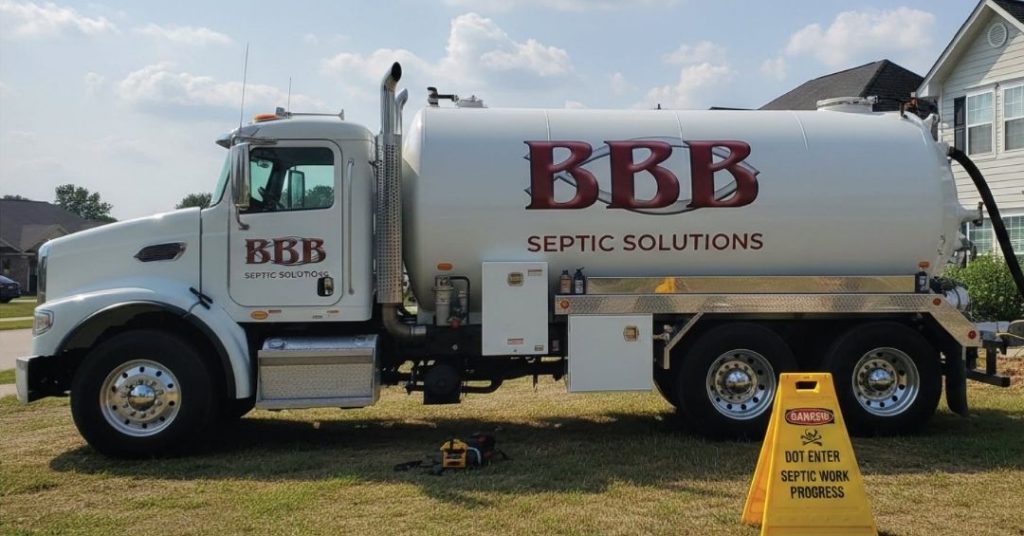
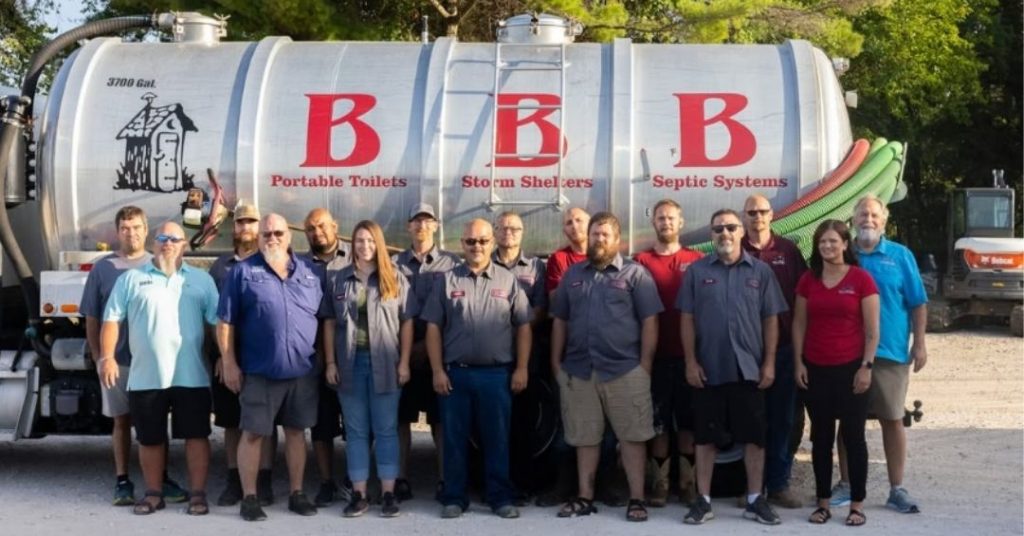
Jon Jouvenaux and his business partner started over 30 years ago with just one portable toilet truck and a converted propane truck. Today, they operate a fleet of over 20 vehicles, alongside excavators, processing facilities, and manufacturing companies.
The turning point came a decade ago when local wastewater treatment plants began restricting disposal access and hiking prices.
“We were running more trucks, servicing more septics, and the wastewater treatment plants in our area were starting to shut us off or only take waste from certain cities,” Jon explained. “It made logistical nonsense.”
At the time, BBB Septic was spending $15,000 a month in dump fees. Instead of continuing to write those checks to someone else, Jon did the math. Financing a $1.2 million clean water farm and receiving setup at 4–5% interest resulted in a monthly loan payment of roughly $7,000.
By building their own facility, they immediately put $8,000 a month back onto their bottom line.
Even better, owning their disposal facility meant their trucks no longer spent hours waiting in line or driving across county lines. By cutting dump times down to 10 minutes, each truck gained two extra hours of productivity per day—generating an additional $30,000 in monthly revenue on the pumping side alone.
2. Clever Real Estate & The “NIMBY” Lesson
Trying to vertically integrate and own the whole septic process by acquiring disposal land comes with unique challenges, particularly public pushback. Jon shared a critical piece of advice for any business owner looking to acquire property for waste management: never buy property under your septic company’s name.
When Jon initially tried buying a 13-acre parcel under his septic business name, local politics intervened. The local mayor posted on social media about a proposed “sewage dump,” causing panicked residents to swarm the city council meeting with “torches and pitchforks”.
To overcome the NIMBY (Not In My Backyard) syndrome, Jon and his partner created a separate real estate LLC. The holding company purchases and develops the property discreetly before triple-net leasing it back to the operating company.
Using this strategy, they secured an 80-acre farm, supported by regional “depots” equipped with receiving stations and frack holding tanks. During off-peak night hours, a bulk hauler moves waste from depots to the farm, where it is either dewatered or land-applied to produce agricultural hay.
3. Technology That Fixes the Municipal “Surge Event”
One major reason municipal plants reject septic waste is strength. Raw septage is 40 to 50 times stronger than standard residential sewage. When a tanker dumps thousands of gallons at once into a small plant, it creates a “surge event” that kills off the biological microbes processing the city’s water.
To solve this, Jon’s team created the Muckraker (manufactured by Vibra Waste Management). This automated receiving unit screens out trash, plastics, and debris—allowing only particles smaller than a BB to pass through—while dewatering solid material.
In cities like Arizona, placing a Muckraker on a commercial sewer main allows haulers to unload without causing surge events. As the screened liquid travels through miles of city sewer pipes, it dilutes naturally into standard wastewater before hitting the treatment plant.
4. Turning the Biosolids & PFAS Crisis into Opportunity
Looking toward the future, Jon’s newest initiative, Net Zero Waste, tackles two of the biggest environmental threats facing agriculture and municipalities today: PFAS (“forever chemicals”) and microplastics.
Across the country, farmland is being contaminated by raw biosolids containing industrial chemicals, pharmaceuticals, and synthetic fibers. In extreme cases, EPA interventions have forced multi-generational farms to shut down after livestock and soil tested positive for dangerous levels of PFAS.
Rather than viewing strict environmental limits as a threat, Jon sees an opportunity. Net Zero Waste focuses on processing septic solids into clean soil amendment products while destroying PFAS and microplastics in the process.
“How cool would it be if, instead of being subject to municipalities telling us our rates are going up, they start paying US to process their biosolids?” Jon asked.
By positioning your business as a solution provider rather than just a waste collector, you unlock municipal funding streams that remain steady regardless of economic downturns.
5. Modern Operational Wisdom for Septic Owners
While owning the full lifecycle of waste is the ultimate goal, Jon stressed that every business owner must master basic operational fundamentals first.
Know Your KPIs and Margins
Before investing in large-scale infrastructure, know your numbers cold. What service makes you the most money for the least amount of effort? Are your portable toilets more profitable than your pumping routes? If you don’t track key metrics, you don’t own a scalable business—you just own a job.
Build Recurring Annuity Streams
BBB Septic introduced a Preferred Maintenance Program, where customers pay a small monthly fee via automatic bank draft. In exchange, they receive monthly bacterial treatments shipped to their door and a scheduled tank pump-out every five years at no extra charge.
This creates predictable monthly cash flow, eliminates seasonal slumps, builds real enterprise value, and locks in customer loyalty.
Leverage Team Talent and Modern Tools
You don’t need to be the smartest person in the room to build a multi-faceted business; you just need to surround yourself with people who excel where you don’t. From hiring fractional CFOs and grant writers to using AI tools like Claude for complex data analysis, leveraging specialized skills accelerates growth faster than trying to do everything yourself.
Become a Lifelong Student
Jon attributes much of his long-term success to shifting his mindset in his 40s. By using drive time to listen to audiobooks, trade podcasts, and industry resources, business owners can convert passive travel hours into continuous education.
Some of Jon’s top book recommendations for trade contractors include:
- The E-Myth Revisited by Michael E. Gerber (a must-read for transitioning from technician to business leader)
- Blue Ocean Strategy by W. Chan Kim & Renée Mauborgne (how to make competition irrelevant by creating uncontested market space)
- The Go-Giver by Bob Burg & John David Mann (the value of networking, relationships, and leading with value)
Vertically integrating your septic business isn’t something that happens overnight. It is a step-by-step evolution built on understanding your numbers, solving operational bottlenecks, and staying ahead of industry trends.
Whether your next step is adding a recurring maintenance program, installing automated screening equipment, or exploring land disposal options, the message from The Number Two Septic Podcast is clear: stop letting third parties control your margins, and start building systems that put you in charge of your own future.
FAQs
What does vertical integration mean for a septic business?
Vertical integration means taking control of multiple steps in your waste management pipeline rather than relying on third parties. Instead of just pumping septic tanks and paying a city facility to handle disposal, a vertically integrated company controls its own receiving stations, dewatering equipment, holding tanks, or land application sites. This reduces long-term operating costs, protects your business from sudden fee hikes, and creates new revenue streams.
How does owning a disposal facility save money compared to paying dump fees?
While building a disposal facility requires upfront capital or financing, the monthly loan payment is often significantly lower than ongoing municipal dump fees. Additionally, controlling your own dump site eliminates long drive times and queue lines at city plants. Dropping unload times from an hour to 10 minutes allows each truck to complete extra pump-outs every day, generating thousands of dollars in additional monthly revenue.
What is “NIMBY,” and how can septic owners avoid real estate backlash?
NIMBY stands for “Not In My Backyard”—a public reaction where local residents protest industrial or waste management projects proposed near their neighborhoods. To avoid public backlash and political roadblocks, business owners should avoid purchasing disposal property under their primary septic company name. Instead, acquire and develop land under a separate real estate holding LLC, then lease the property back to your operating business once all permits are secured.
What is a “surge event” at a wastewater treatment plant?
Raw septage is 40 to 50 times stronger in organic concentration than standard municipal wastewater. When a large septic truck unloads thousands of gallons at once into a small treatment facility, it creates a “surge event.” This sudden overload can disrupt or kill the beneficial microbes the plant uses to treat city sewage. Automated screening devices like the Muckraker mitigate this by filtering out solids and allowing regulated, pre-screened liquid to dilute naturally in city sewer lines.
How can septic companies create recurring monthly revenue?
Septic companies can build predictable cash flow by offering a Preferred Maintenance Program. Customers pay a small recurring monthly fee via automatic bank draft. In return, they receive regular bacterial treatments shipped to their home, priority service, and a scheduled tank pump-out every few years at no extra charge. This creates a stable annuity stream, keeps routes predictable, and locks out competitors.
Last updated:
Want your phone ringing like the operators in these interviews?
We run Local Service Ads, Google Ads, Google Business Profile and websites for septic and home-service contractors — with every lead tracked.