
How to Build an Effective Septic Team | with 30 Year Veteran David Meints

When starting a business, many trade contractors and entrepreneurs fall into a common trap: believing that no one can execute the work as well as they can. In the early days, doing everything yourself—from sales and design to physical installation and billing—isn’t just normal; it’s necessary. However, if your long-term goal is to build a sustainable, scalable business that gives you a quality life outside of work, staying in “solo mode” will eventually limit your growth. Learning how to build an effective septic team is the single most important transition an owner can make.
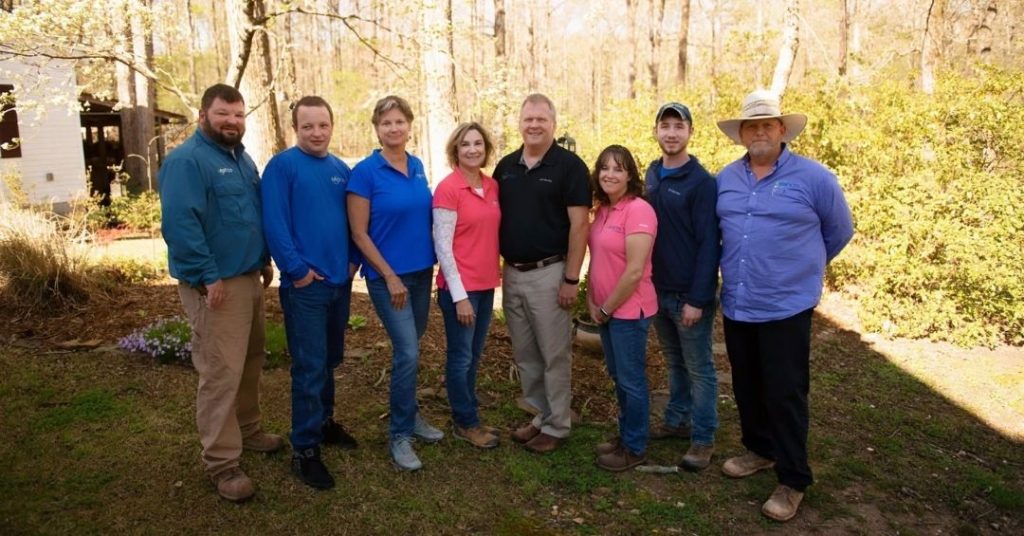
On a recent episode of The #2 Septic Podcast, host Ashley Christian sat down with David Meints, owner of Meinco Wastewater Systems in Central Arkansas. Over the past 30 years, David and his wife, Renee, have transformed a weekend side hustle into a thriving enterprise with more than 26 employees on payroll.
While the episode dives deep into the realities of the wastewater and septic industry, David’s journey offers a masterclass in business operations. Specifically, it reveals how to build an effective team through smart hiring, delegating authority, and creating recurring revenue in any service business.
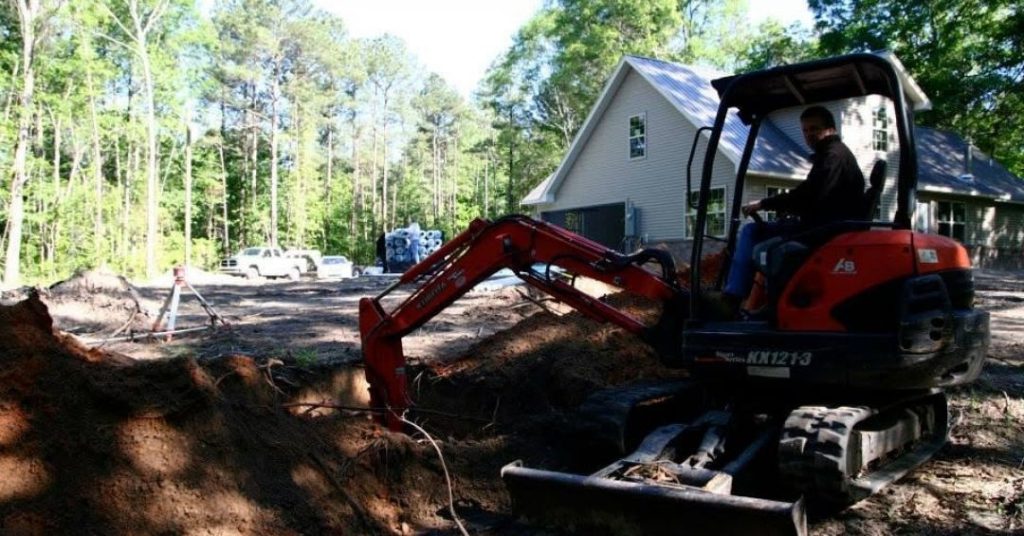
1. Finding the Right People: You Don’t Need Industry Experts
When leaders explore how to build an effective team, they often assume they need to hire candidates who already hold specialized credentials, trade licenses, or years of direct industry experience. David’s experience over three decades proves otherwise.
None of David’s top-performing team members came into the business with wastewater operator licenses or technical certifications. Instead, he hires for fundamental human traits:
- Integrity and Communication: Look for candidates who can make eye contact, communicate clearly, and demonstrate basic honesty.
- Work Ethic: Technical processes can be taught on the job; willingness to learn and a strong work ethic cannot.
To streamline recruitment, David partners with local employment agencies to pre-screen candidates against specific criteria (clean driving records, drug screening, and clear communication skills). This approach saves hours of management time while delivering candidates ready to learn the trade.
2. Setting Your Team Up for Success: Clarity Over Chaos
Understanding how to build an effective team requires setting clear expectations. In the early stages of a business, job roles are often fluid, which leads to overlapping duties, missed details, and burnout.
Two years ago, David undertook a transformational operational exercise: writing a formal job description for every single position in the company—including his own.
By clearly defining individual responsibilities, you eliminate confusion and establish measurable standards for success.
- For Employees: Clear job descriptions reduce anxiety during role transitions. When a new hire knows exactly what daily success looks like, they acclimate faster and perform better.
- For Owners: Documenting roles helps identify where you are wearing too many hats, making it easier to delegate specific tasks to team members equipped to handle them.
3. Delegation and Building Middle Management
The biggest operational hurdle for most business owners occurs when revenue plateaus. David noticed his company’s revenue hit a ceiling at a certain mark for several consecutive years. The root cause? Micromanagement.
“I realized it was me,” David shared. “I was micromanaging that much—that was all the revenue I could get out.”
Knowing how to build an effective team means stepping back and establishing a core leadership structure. David built a middle-management team consisting of an Operations Manager, a Service Manager, an Office Manager, and a Design Manager.
Now, key operational choices—such as staffing shifts or daily scheduling—are handled collectively by management rather than resting solely on the owner’s shoulders.
Key Takeaway for Leaders: Delegating authority means accepting that managers will occasionally make mistakes. Supporting your team through those learning experiences builds a resilient organization capable of operating seamlessly even when the founder takes time off.
4. Investing in Your Team’s Growth
A crucial aspect of how to build an effective team is expanding your staff’s perspective and skills beyond day-to-day operations. Early in his career, attending national industry trade shows gave David the confidence and technical insights needed to elevate his service standards.
Today, he pays that forward by regularly sending promising team members to regional and national trade events. Exposing your workforce to broader industry trends, new technology, and peer networks accomplishes three critical goals:
- Accelerates Technical Knowledge: Exposure to vendors and industry peers speeds up learning far faster than internal training alone.
- Boosts Employee Morale: Investing in your team’s professional development demonstrates long-term commitment to their careers.
- Improves Problem Solving: Staff returns from events with fresh ideas and updated solutions to bring into daily operations.
Beyond Team Building: Key Business Lessons from the Episode
While learning how to build an effective team is vital for operational freedom, this episode of The Number Two Septic Podcast covers several other essential strategies for running a profitable trade business:
Balancing Business Roles as a Married Couple
Working alongside a spouse requires defined boundaries and complementary strengths. David and Renee attribute their 30-year success to playing distinct roles: David acts as the visionary (“the gas pedal”), while Renee manages scheduling, accounting, and operational risk (“the brakes”). Respecting each other’s domain keeps both the business and marriage healthy.
The Value of Recurring Service Revenue
In the wastewater industry—as in many trade sectors—one-off design and installation projects are simple transactions, but they lack long-term predictability. David emphasized that true, sellable enterprise value lies in recurring service contracts. Maintenance agreements provide recurring income that stabilizes cash flow through economic downturns and bad weather.
Navigating Commercial vs. Residential Cash Flow
Transitioning from residential service to commercial contracts can drive top-line revenue, but it introduces distinct financial risks. Commercial projects often involve net-60 or net-90 day payment terms. Trade business owners must price commercial work high enough to cover financing costs while waiting on long receivables.
Final Thoughts
Whether you operate a septic design firm, an HVAC business, or a digital agency, mastering how to build an effective team is the key to long-term survival and scale. You cannot build a thriving enterprise entirely on your own stamina.
By hiring for character, writing clear job descriptions, empowering middle management, and investing in ongoing education, you create a team capable of carrying the business forward. As David Meints’ 30-year career shows, stepping back from daily micromanagement doesn’t just make your business more valuable—it gives you back your life.
FAQs
How do I know if my trade business needs middle management?
If your revenue has plateaued for multiple years despite high demand, or if you find yourself spending all your time micro-managing daily operations, it’s time to establish middle management. Bringing in operations, service, and office managers allows you to delegate day-to-day decisions and focus on big-picture business growth.
Do I need to hire candidates with prior industry experience?
Not necessarily. As David Meints highlighted on The Number Two Septic Podcast, technical trade skills and certifications can be taught on the job. When building an effective team, prioritize soft skills like honesty, clear communication, and a strong work ethic over immediate technical credentials.
How can husband-and-wife co-owners divide business responsibilities effectively?
Divide tasks based on core strengths and personalities rather than trying to do everything together. A proven structure is having one partner focus on vision, strategy, and business development (“the gas pedal”), while the other manages scheduling, compliance, and cash flow risk (“the brakes”). Respecting each partner’s defined area prevents friction.
Why are recurring service contracts better than one-off installation jobs?
While design and installation projects generate large upfront revenue, they are one-time transactions. Recurring service agreements—such as routine inspections and maintenance—provide steady, predictable cash flow year-round and create true, sellable enterprise value for your business.
What should trade contractors consider before taking on commercial projects?
Commercial work often comes with net-60 or net-90 payment terms, meaning you may have to cover labor and material costs upfront while waiting months for payment. Always price commercial bids high enough to absorb those financing costs, and maintain a clear picture of your cash flow before signing large commercial contracts.
Last updated:
Want your phone ringing like the operators in these interviews?
We run Local Service Ads, Google Ads, Google Business Profile and websites for septic and home-service contractors — with every lead tracked.